An arrest warrant in Orange County, California, is a legal document issued by a judge that authorizes law enforcement to arrest a specific individual. Warrants are only valid within the county and state where they are issued. They become active once signed by a judge after reviewing evidence provided by police. If the person named in the warrant is not arrested, the warrant remains outstanding. These warrants may be issued for felonies, misdemeanors, or failure to appear in court. Knowing how to search for active or outstanding warrants helps individuals protect their rights and resolve legal matters quickly. Orange County provides multiple official channels for the public to look up warrant information, including online tools, phone lines, and in-person visits. Each method offers different levels of detail and access, depending on the user’s needs and the type of record requested.
Searching for arrest warrants in Orange County is a matter of public record, but it must be done through authorized government sources. The Orange County Sheriff’s Department maintains the primary database for active warrants and recent arrests. Their online portal allows real-time searches using a person’s name or case number. Other resources include the California Courts website and jail rosters, which show current inmates and recent releases. While some information is free, detailed criminal records may require a formal request or fee. This page provides exact steps, direct links, and field-specific instructions to help you conduct a fast, accurate warrant search. It also explains how to interpret results, contact the right offices, and understand your legal options if a warrant exists.
Official Online Search Tools for Orange County Arrest Warrants
Orange County and San Diego County offer two main online platforms for searching arrest warrants: the Sheriff’s Department warrant lookup and the California Courts case search. Both are free, publicly accessible, and updated regularly. The Sheriff’s tool focuses on active warrants and recent arrests, while the court system shows case filings, court dates, and bench warrants. Using these tools correctly ensures you get accurate, up-to-date information. Below are detailed instructions for each platform, including exact field names and expected results.
Orange County Sheriff’s Department Warrant Search
The Orange County Sheriff’s Department provides a direct online portal for searching active arrest warrants. This system is updated daily and includes warrants issued by local courts. It also shows recent arrests and jail bookings from the past 30 days. The tool is designed for public use and requires no login or registration.
- Type the full name of the person in the “Name” field. Use the format: Last Name, First Name (e.g., Smith, John).
- Leave the “Case Number” field blank unless you have a specific case ID.
- Click the “Search” button located below the input fields.
The system will return a list of matching records. Each entry includes the person’s full name, date of birth, physical description, charge description, warrant number, issuing court, and bond amount (if set). If no results appear, the name may be spelled incorrectly, or no active warrant exists under that name. You can refine the search by adding a case number or narrowing the date range if known.
California Courts Online Case Search
The California Courts website allows users to search for criminal cases, including bench warrants issued for failing to appear in court. This tool covers all counties in California, including Orange County. It is useful for finding court-related warrants not yet entered into the Sheriff’s active warrant database.
- The California Courts case search portal: http://www.courts.ca.gov/
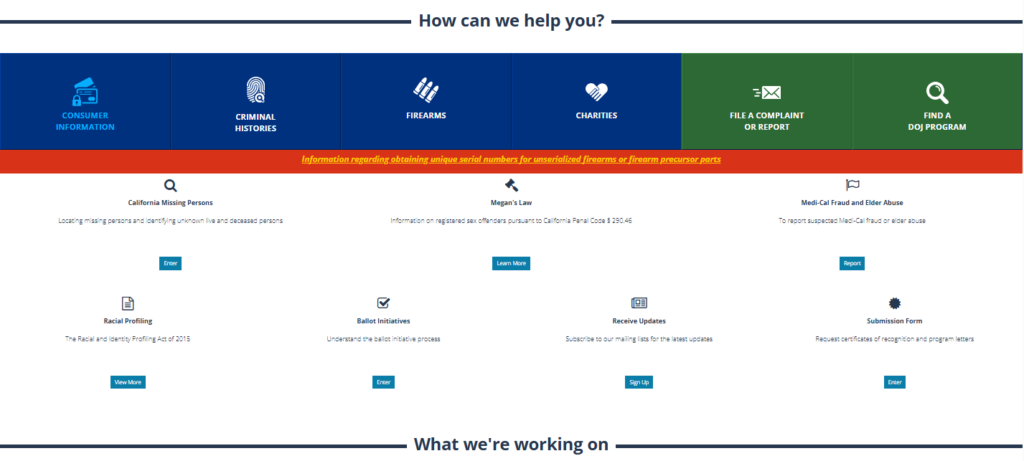
- Click on “Online Services” and select “Case Search.”
- Choose “Orange County” from the dropdown menu under “Court Location.”
- Enter the person’s full name in the “Party Name” field. Use the format: Last Name, First Name.
- Optionally, enter a case number if known.
- Click “Search” to view results.
Results display the case number, filing date, charge type (felony or misdemeanor), court department, and current status. If a bench warrant is active, it will be listed under “Case Status” as “Warrant Issued.” This tool does not show arrest dates or bond amounts, but confirms whether a court has issued a warrant for non-appearance.
Orange County Jail Roster and Inmate Search
The jail roster shows people currently in custody or recently released. While it does not list active warrants, it can confirm if someone has been arrested on a warrant. This is helpful if you suspect a person has already been taken into custody.
- Enter the person’s last name in the “Last Name” field.
- Click “Search” to view current inmates.
The roster displays the inmate’s name, booking number, charge, booking date, and housing location. If the person appears, they have likely been arrested on a warrant. If not listed, they may still have an active warrant but have not yet been apprehended.
Phone-Based Warrant and Arrest Inquiries
Not everyone has internet access or prefers to use online tools. Glenn County provides several phone numbers for conducting warrant searches and obtaining arrest information. These lines are staffed during business hours and can provide verbal confirmation of warrant status, recent arrests, or inmate releases. Calls are free, but wait times may vary. Always have the person’s full name and date of birth ready to speed up the process.
Contact Numbers for Warrant and Arrest Information
The Orange County Sheriff’s Department operates dedicated phone lines for different types of inquiries. Each number serves a specific function, such as checking warrants, recent arrests, or inmate status. Below is a breakdown of the most useful numbers and their purposes.
| Purpose | Phone Number | Hours |
| General inquiries and complaints | (714) 647-7000 or (949) 770-6011 | 24/7 |
| Recent arrests (Central Men’s and Women’s Jail) | (714) 647-4666 | 24/7 |
| Recent inmate releases and bail details | (714) 647-6063 | Monday–Friday, 8 AM–5 PM |
| Active warrant search (Central Warrants Repository) | (714) 834-6470 | Monday–Friday, 8 AM–5 PM |
| Criminal background checks (Records Division) | (714) 834-6454 | Monday–Friday, 8 AM–5 PM |
| Victim assistance (District Attorney’s Office) | (714) 834-3600 | Monday–Friday, 8 AM–5 PM |
| Speak with the investigating officer | (714) 647-7040 | Monday–Friday, 8 AM–5 PM |
How to Prepare for a Phone Inquiry
When calling any of these numbers, be ready to provide specific information to get accurate results. The staff will ask for identifying details to locate records. Without this, they may not be able to assist due to privacy laws.
- Full legal name of the person (including middle name if known)
- Date of birth
- Last known address
- Case number (if available)
- Reason for the inquiry (e.g., personal check, legal matter)
Calls to the Central Warrants Repository are the most direct way to confirm an active warrant. Staff can tell you if a warrant exists, the charge, and whether it is a felony or misdemeanor. They cannot provide legal advice or guarantee arrest timelines. For background checks, the Records Division may require a written request or a fee.
Limitations of Phone Searches
Phone inquiries have limitations. Staff cannot email or fax documents. They also cannot confirm warrants for people with common names without additional identifiers. Some information, like sealed records or juvenile cases, is not disclosed over the phone. For full details, you may need to visit in person or submit a formal records request. Always verify the phone number before calling, as lines may change.
The Warrant Types in Orange County
Not all warrants are the same. In Orange County, warrants fall into different categories based on how they are issued and why. Knowing the type of warrant helps determine the severity, legal process, and possible outcomes. The most common types include arrest warrants, bench warrants, felony warrants, and misdemeanor warrants. Each has distinct characteristics and consequences.
Arrest Warrants
An arrest warrant is issued by a judge after law enforcement presents evidence that a person committed a crime. It authorizes police to arrest the individual and bring them before the court. These warrants are typically used for felony or serious misdemeanor charges. The judge reviews the evidence, known as probable cause, before signing the warrant. If approved, the warrant becomes active and is entered into law enforcement databases.
- Issued by: Superior Court judge
- Based on: Police affidavit showing probable cause
- Valid in: Orange County only
- Enforced by: Sheriff’s deputies and local police
Arrest warrants do not expire. They remain active until the person is arrested or the case is dismissed. If not served, the warrant becomes “outstanding.” Law enforcement can arrest the person at any time, even years later.
Bench Warrants
A bench warrant is issued by a judge when a person fails to appear in court, pay a fine, or comply with a court order. It is not based on new criminal charges but on disobedience of a court directive. Bench warrants are common in traffic cases, probation violations, or missed hearings.
- The court schedules a hearing or requires payment.
- The person fails to appear or comply.
- The judge signs a bench warrant for their arrest.
- The warrant is sent to law enforcement for service.
Bench warrants are often resolved by appearing in court or contacting the clerk. Some can be recalled if the person shows good cause for missing the date. They appear in both the Sheriff’s warrant search and the court case system.
Felony vs. Misdemeanor Warrants
Warrants are also classified by the severity of the charge. Felony warrants involve serious crimes like robbery, assault, or drug trafficking. Misdemeanor warrants cover less severe offenses such as petty theft, vandalism, or minor traffic violations. The classification affects bail amounts, jail time, and legal representation.
| Warrant Type | Maximum Penalty | Bail Range | Typical Charges |
| Felony | Over 1 year in prison | $10,000–$100,000+ | Assault, burglary, fraud |
| Misdemeanor | Up to 1 year in jail | $500–$10,000 | Theft, trespassing, DUI |
Felony warrants often lead to higher bail and longer sentences. Misdemeanor warrants may be resolved with a fine or a short jail term. Both types appear in the warrant database and can be searched online.
How to Interpret Search Results
When you perform a warrant search, the results contain specific data points that help you understand the status and nature of the warrant. Knowing how to read these details prevents confusion and ensures you take the right next steps. Each field in the result has a legal meaning and should be reviewed carefully.
Key Data Points in Warrant Records
The Orange County Sheriff’s warrant search returns several pieces of information for each match. These are standardized across all records and help identify the person and the charge.
- Name: Full legal name as it appears on the warrant. May include middle name or initial.
- Date of Birth: Confirms identity, especially for common names.
- Charge Description: The criminal offense listed on the warrant (e.g., “PC 459 – Burglary”).
- Warrant Number: Unique identifier used by law enforcement and courts.
- Issuing Court: The Superior Court branch that signed the warrant.
- Bond Amount: The bail required for release if arrested. “No Bond” means release is not allowed.
- Arrest Date: If the person was already arrested, this shows when.
If a record appears, it means an active warrant exists unless marked “Served” or “Closed.” Always verify the name and date of birth to ensure it matches the correct person.
What to Do If a Warrant Appears
Finding your name or someone else’s name in the warrant database requires immediate action. Ignoring a warrant can lead to arrest at home, work, or during a traffic stop. The best course is to address it legally and promptly.
- Confirm the details: Check the name, date of birth, and charge to ensure accuracy.
- Contact a criminal defense attorney: A lawyer can help recall the warrant or arrange surrender.
- Call the court: The issuing court may allow you to schedule a new hearing or pay fines.
- Avoid travel: Police can arrest you anywhere in Orange County if the warrant is active.
Do not attempt to flee or hide. Most warrants can be resolved without arrest if handled properly. An attorney can often negotiate a surrender date or request a bond reduction.
False or Outdated Results
Sometimes, search results show old or incorrect information. This can happen due to data entry errors, name similarities, or delayed updates. If you believe a result is wrong, take the following steps:
- Search again using a different name format (e.g., full middle name).
- Call the Central Warrants Repository at (714) 834-6470 to verify.
- Visit the Sheriff’s Records Division in person with ID.
- Request a formal records review if needed.
Corrections may take time. Keep records of your inquiries in case you need to prove the error later.
Legal Rights and Warrant Removal
Having a warrant does not mean guilt. You have legal rights, including the right to remain silent, the right to an attorney, and the right to challenge the warrant. In some cases, warrants can be recalled, dismissed, or resolved without arrest. Knowing your options helps protect your freedom and record.
Your Rights When a Warrant Exists
Even with an active warrant, you are protected by the U.S. Constitution. These rights apply during any interaction with law enforcement.
- Right to remain silent: You do not have to answer questions without a lawyer.
- Right to legal representation: An attorney can speak for you and negotiate on your behalf.
- Right to due process: The warrant must be based on valid evidence and issued by a judge.
- Right to bail: In most cases, you can post bail to secure release after arrest.
Police cannot enter your home without a search warrant unless there is an emergency. If arrested, you must be read your Miranda rights before questioning.
How to Get a Warrant Removed or Recalled
Warrants can be removed in several ways, depending on the type and reason. Bench warrants are often easier to resolve than arrest warrants. The process usually involves court action.
- Contact the court that issued the warrant. Ask for the clerk’s office.
- Explain why you missed the court date (e.g., illness, mail error).
- Request a “recall” of the warrant. The judge may approve it if you show good cause.
- Appear in court on the new date to resolve the original charge.
For arrest warrants, a lawyer can file a motion to quash the warrant if it was issued without probable cause. This is rare but possible in cases of mistaken identity or false accusations.
Hiring a Warrant Attorney in Orange County
A criminal defense attorney with experience in Orange County courts can provide critical help. They know local judges, prosecutors, and procedures. Services include:
- Reviewing the warrant and charges
- Negotiating surrender or bail
- Filing motions to dismiss or recall
- Representing you in court
- Advising on long-term consequences
Many attorneys offer free consultations. Look for one licensed in California with a focus on criminal law. Avoid unlicensed “warrant removal” services that charge high fees for basic information.
| Office | Address | Phone | Hours |
| Orange County Sheriff’s Department | 500 N. Flower St, Santa Ana, CA 92703 | (714) 647-7000 | Monday–Friday, 8 AM–5 PM |
| Central Warrants Repository | 500 N. Flower St, Santa Ana, CA 92703 | (714) 834-6470 | Monday–Friday, 8 AM–5 PM |
| Orange County Superior Court | 700 Civic Center Dr W, Santa Ana, CA 92701 | (657) 622-6767 | Monday–Friday, 8 AM–4 PM |
(FAQs) About Orange County CA Arrest Warrants Search
Warrant and arrest record information in Orange County can help individuals stay informed about their legal status and available public resources. The following frequently asked questions provide clear answers about warrant searches, arrest procedures, and record accessibility. This section is designed to simplify complex legal processes and help users quickly find accurate, reliable information about Orange County warrant records.
Can I search for someone else’s warrant in Orange County?
Yes, warrant information is a public record in California. Anyone can search the Orange County Sheriff’s online database or call the Central Warrants Repository. You do not need permission or a reason. However, you must provide the person’s full name and, if possible, date of birth. The system will show active warrants, charge details, and bond amounts. Results are limited to protect privacy, but basic information is accessible to all. You cannot search by address or phone number. Only name and case number searches are supported. This allows public oversight while preventing misuse of sensitive data.
What happens if I have an active warrant in Orange County?
If you have an active warrant, law enforcement can arrest you at any time within the county. This includes during traffic stops, at home, or at work. Once arrested, you will be taken to jail, booked, and held until a court hearing. If bail is set, you can post it to secure release. Ignoring the warrant increases the risk of arrest and may lead to additional charges. The best action is to contact a criminal defense attorney immediately. They can help you arrange a voluntary surrender, request a bond reduction, or challenge the warrant in court. Most warrants can be resolved without prolonged jail time if handled properly.
How long does an arrest warrant stay active in Orange County?
Arrest warrants in Orange County do not expire. They remain active until the person is arrested, the case is dismissed, or the warrant is recalled by the court. This means a warrant issued 10 years ago can still lead to an arrest today. There is no statute of limitations on the warrant itself, though some criminal charges may have time limits. For example, most felonies must be prosecuted within 3 to 6 years, depending on the crime. However, the warrant stays in the system until served. Regularly checking the online database or calling the warrants office can help you stay informed about your status.
Can a warrant be removed without going to court?
In most cases, no. Warrants can only be removed by a judge or through legal action. You cannot delete a warrant by paying a fee or calling the Sheriff’s Department. However, you can request a recall if it is a bench warrant for missing a court date. Contact the court clerk, explain your reason, and ask for a new hearing. If the judge agrees, the warrant is canceled. For arrest warrants, a lawyer must file a motion to quash, which requires a court hearing. Some private companies claim to “remove” warrants for a fee, but this is a scam. Only the court has the authority to cancel a warrant.
Is the Orange County warrant search free?
Yes, the official warrant search tools are free to use. The Orange County Sheriff’s Department provides online access at no cost. You can search by name or case number without creating an account. The California Courts website also offers free case searches. Phone inquiries to the warrants repository are free, but staff cannot email or fax documents. Some third-party websites charge fees for warrant searches, but they often repackage public data. Always use official sources to avoid scams. If you need certified records or background checks, the Records Division may charge a small fee, but basic warrant lookup remains free.